
Rock Climbing in Nagarjun Forest: Have you ever dreamt of scaling towering rock faces, enveloped in the serenity of a lush forest? Then look no further than Nagarjun Forest, a hidden gem nestled near Kathmandu, inviting adventurous souls to conquer its vertical landscape. This guide will be your key to unlocking the secrets of Nagarjun, a haven for climbers of all skill levels, offering a unique blend of adrenaline-pumping climbs and the tranquil beauty of nature. Nagarjun Forest boasts a diverse terrain consisting of limestone cliffs, towering boulders, and challenging overhangs. With over 20 established routes, ranging from beginner-friendly slopes to advanced technical climbs, Nagarjun caters to every climber’s desire. Nagarjun’s allure goes beyond its challenging climbs. Its convenient location, just a stone’s throw from the bustling city of Kathmandu, makes it a popular escape for both locals and visitors. The forest’s serene atmosphere, with its vibrant flora and fauna, provides a welcome respite from the urban chaos, offering a truly unique and rejuvenating climbing experience. Geological Marvels and Climbing Routes Nagarjun’s landscape is a captivating blend of geological wonders. The limestone cliffs, sculpted by time and natural forces, offer various textures and holds, providing an exciting playground for climbers. From smooth slabs to intricate cracks, each climb presents a unique challenge and reward. Noteworthy Climbing Routes Exploring Advanced Peaks: For seasoned climbers seeking a test of their skills, Nagarjun offers routes like “The Chimney” and “The Overhang,” pushing them to their limits and rewarding them with breathtaking views of the valley below. Accessible Spots for Beginners: Nagarjun also caters to aspiring climbers, offering routes like “The Slab” and “The Boulder Field,” providing a safe and encouraging environment to learn the ropes and experience the thrill of climbing. Essential Gear for Nagarjun Climbing Proper gear is crucial for a safe and successful climb in Nagarjun. Here are the essentials: Climbing shoes: Provide the necessary grip and support for navigating the various rock formations. Harness and ropes: Ensure safety and security during your claim Belay device and carabiners: Essential for rappelling and belaying your partners. Helmet: Protects your head from falling rocks and debris. First-aid kit: Be prepared for minor injuries and emergencies. Several shops and rental services in Kathmandu offer quality gear at reasonable prices. Safety Protocols in the Natural Setting Rock Climbing in Nagarjun Forest requires respect for the natural environment and adherence to safety protocols: Acclimatize properly: Nagarjun’s elevation can affect your performance. Allow your body sufficient time to adjust. Follow established routes: Avoid venturing off marked trails to minimize environmental impact. Be aware of weather conditions: Heavy rains can make climbs slippery and dangerous. Choose climbing days with favorable weather. Respect wildlife: Observe animals from a safe distance and avoid disturbing their habitat. Practice responsible tourism: Leave no trace and contribute to preserving the forest’s pristine beauty. Furthermore, several training programs and certification courses are available in Kathmandu, equipping climbers with the necessary skills and knowledge for safe and enjoyable climbing experiences. Nagarjun Forest beckons you to embark on a journey of physical and mental challenge, offering an unforgettable blend of climbing adventure and natural wonders. By embracing the spirit of adventure, preparing meticulously, and respecting the forest’s ecosystem, you will discover the exhilaration of climbing amidst the tranquility of Nagarjun. Optimal Climbing Seasons in Nagarjun Forest Nagarjun offers year-round climbing opportunities, but certain seasons provide the most favorable conditions: Spring (March-May): Pleasant temperatures and clear skies make for comfortable climbs and stunning vistas. Autumn (September-November): Crisp air and vibrant foliage create a picturesque backdrop for challenging climbs. Winter (December-February): Milder temperatures allow for enjoyable climbs, but higher altitudes may experience snowfall, requiring additional preparation. Understanding Seasonal Variations for Climbing Conditions: Weather in Nagarjun can change rapidly. Climbers need to be aware of: Temperature: Extreme heat or cold can affect performance and safety. Choose appropriate clothing and adjust your climbing schedule accordingly. Rainfall: Heavy rain can make climbs slippery and dangerous. Avoid climbing during storms. Wind: Strong winds can affect stability and pose safety risks. Choose sheltered areas or climb during periods of calm weather. Building a Climbing Community in the Wilderness Nagarjun fosters a welcoming and supportive climbing community. Local climbers, guides, and businesses create a fun and encouraging environment for newcomers to learn and share experiences. Networking Events and Opportunities in the Forest: Climbing meetups: Regular gatherings offer opportunities to socialize, share tips, and plan climbing trips. Climbing clubs: These clubs organize group climbs, workshops, and social events for members of all skill levels. Online forums and groups: These platforms allow climbers to connect online, ask questions, and share information. Sustainable Climbing Practices in Nature Nagarjun actively promotes responsible climbing practices: Minimize waste: Pack out all trash and avoid littering. Respect wildlife: Observe animals from a safe distance and avoid disturbing their natural habitat. Use established trails: Follow designated routes to minimize environmental impact. Community-Led Conservation Initiatives: Local climbers and businesses actively participate in conservation efforts: Tree planting programs: Offset carbon emissions and contribute to reforestation. Educational workshops: Raise awareness about environmental protection and encourage sustainable climbing practices. Support for eco-friendly businesses: Choose companies committed to sustainability and minimizing their environmental impact. Immerse in the Forest’s Natural Beauty Rock Climbing in Nagarjun Forest isn’t just about conquering peaks; it’s about connecting with nature: Observe the diverse flora and fauna: Spot colorful birds, encounter playful monkeys, and admire the vibrant plant life. Listen to the sounds of the forest: Immerse yourself in the symphony of birdsong, rustling leaves, and trickling streams. Breathe the fresh air: Revitalize your senses with the clean, invigorating air of the forest. Harmony of Climbing and Environmental Awareness: By respecting the forest’s ecosystem and participating in conservation initiatives, climbers can contribute to preserving the natural beauty of Nagarjun. This harmony between adventure and environmental awareness creates a unique and enriching experience that transcends the ordinary clim Embark on a transformative journey in the heart of Nagarjun Forest. Embrace the thrill of climbing, connect with the natural world, and become part of a supportive
Rock Climbing in Namche Bazaar, Nepal
Rock Climbing in Namche Bazaar: Welcome to the realm of storytelling, where words weave magic and narratives come to life. Crafting a compelling story is an art that transcends time, captivating hearts and minds. In this journey, we’ll explore the alchemy of characters, plots, and settings, delving into the delicate balance of tension, emotion, and resolution. From the whimsical to the profound, every tale holds the potential to transport readers to new worlds, evoke empathy, and leave an indelible mark. Storytelling is a shared human experience, and here, we embark on a quest to master the nuances, discover the secrets, and unleash the power of narratives. Geographic location and significance Nestled in the heart of the Himalayas, Namche Bazaar stands as a testament to nature’s grandeur. Perched at an elevation of 3,440 meters in the Solu-Khumbu region of Nepal, this charming town serves as the gateway to Everest Base Camp. Its strategic location not only offers breathtaking views of towering peaks but also facilitates acclimatization for trekkers. As a bustling trading hub and cultural crossroads, Namche Bazaar holds immense significance, attracting adventurers and enthusiasts eager to explore the rugged beauty of the surrounding mountains. Cultural and historical aspects of Namche Bazaar Namche Bazaar, a Himalayan jewel, is steeped in rich cultural and historical tapestry. Home to the Sherpa people, the town echoes with traditional practices and warm hospitality. Buddhist monasteries, adorned with prayer flags, add spiritual charm. The Sherpas’ resilient mountaineering legacy, especially with the famed Tenzing Norgay, infuses the town with a sense of adventure. As a stop on ancient trade routes, Namche carries tales of commerce and cultural exchange. The blend of tradition and history makes it a captivating destination for those seeking a cultural odyssey in the mountains. The gateway to Everest Base Camp trek Namche Bazaar serves as the gateway to the iconic Everest Base Camp trek, a pilgrimage for adventurers worldwide. Positioned strategically in the Khumbu region of Nepal, this vibrant town offers trekkers a starting point for the awe-inspiring journey towards the world’s highest peak. As the trek’s focal point, Namche provides essential amenities, acclimatization opportunities, and a glimpse into local Sherpa culture. It’s not merely a stopover but a pivotal hub that marks the beginning of an epic ascent into the heart of the Himalayas. The Appeal of Rock Climbing in Namche Bazaar Namche Bazaar beckons rock climbers with its unparalleled allure in the heart of the Himalayas. The region boasts unique rock formations and dramatic landscapes that challenge and reward enthusiasts. With the backdrop of towering peaks, climbers are treated to spectacular views, creating an exhilarating fusion of adventure and natural beauty. The climbs, though demanding, offer a sense of accomplishment against the breathtaking Himalayan panorama. Namche Bazaar, with its blend of challenging routes and stunning vistas, becomes a haven for those seeking an unforgettable rock climbing experience, encapsulating the thrill of conquering nature’s majestic vertical landscapes. Rock Climbing Opportunities Embark on an adrenaline-fueled journey amidst the Himalayan majesty—Namche Bazaar opens its rocky embrace to thrill-seekers. This introduction invites you to explore the heart-pounding world of rock climbing in this scenic haven, where jagged formations and breathtaking landscapes beckon adventurers to scale new heights and conquer the extraordinary. Local climbing spots Namche Bazaar boasts a range of local climbing spots, each with its character and challenge. From the granite cliffs near Thame to the limestone walls in the Khumbu Valley, climbers can explore diverse terrains. Iconic spots like Kongde Ri and Kwangde Nup offer thrilling ascents, while hidden gems promise secluded adventures. Local guides ensure a safe and enriching experience, revealing the secrets of these natural rock formations. Whether you’re a novice or a seasoned climber, Namche’s local crags provide a spectrum of climbs, making it a haven for those seeking both excitement and tranquility in the Himalayan heights. Guided tours and climbing packages Namche Bazaar offers an array of guided tours and climbing packages, catering to adventurers of all levels. Local outfitters provide expert guides well-versed in the nuances of the Himalayan terrain. Climbing packages often include essential gear, accommodation, and permits, ensuring a seamless experience. Whether it’s a day of introductory climbs for beginners or multi-day expeditions to conquer challenging peaks, these packages allow enthusiasts to focus on the thrill of scaling heights while the logistical intricacies are handled by experienced professionals. The blend of safety, local expertise, and adventure makes guided tours an ideal choice for a memorable rock climbing venture in Namche Bazaar. Preparing for a Rock Climbing Adventure 1. Physical Fitness: Engage in cardiovascular exercises to enhance stamina. Strengthen core muscles, forearms, and legs to improve climbing endurance. 2. Essential Gear: Invest in quality climbing gear, including harnesses, helmets, shoes, and carabiners. Pack weather-appropriate clothing, considering the Himalayan climate. 3. Altitude Acclimatization: Gradually acclimate to higher altitudes to minimize the risk of altitude sickness. Spend a day or two in Namche to adjust before engaging in strenuous climbs. 4. Familiarize with Local Conditions: Research the weather patterns and conditions specific to Namche Bazaar. Understand the impact of high altitudes on physical performance. 5. Technical Skills: Brush up on basic rock climbing techniques and safety measures. Take a refresher course if needed, especially for beginners. 6. Emergency Preparedness: Carry a first aid kit with essential medications. Familiarize yourself with emergency protocols and the location of medical facilities in Namche. 7. Hydration and Nutrition: Stay well-hydrated at high altitudes. Pack high-energy snacks and meals suitable for the climbing duration. 8. Local Guides: Consider hiring local guides familiar with the terrain and weather conditions. Utilize their expertise for a more enriching and secure climbing experience. 9. Permits and Regulations: Obtain the necessary permits for rock climbing in the region. Adhere to local regulations and respect the environment. 10. Mental Preparedness: Cultivate a positive and focused mindset. Be prepared for the challenges and uncertainties inherent in mountain climbing. By thoroughly preparing for a rock climbing adventure in Namche Bazaar, climbers can maximize their enjoyment while ensuring safety and adherence to responsible tourism practices. Weather conditions
Rock Climbing in Kathmandu, Nepal
Beyond the bustling streets and vibrant culture, Kathmandu offers a hidden gem for adventure seekers: a thriving urban climbing scene. With dedicated climbing gyms and natural rock formations nestled within the city limits, Kathmandu caters to both seasoned climbers and aspiring enthusiasts. Evolution of Rock Climbing in Kathmandu Once considered a niche activity, rock climbing in Kathmandu has experienced a surge in popularity. This growth can be attributed to several factors, including: Increased awareness: With growing international exposure, climbing has become more accessible and attractive to a wider audience. Development of climbing facilities: The establishment of modern climbing gyms has provided safe and controlled environments for learning and practicing the sport. Rise in local talent: A growing number of talented Nepali climbers have inspired others and placed Kathmandu on the global climbing map. Why Kathmandu is a Climber’s Haven Kathmandu offers several unique advantages for climbers: Diverse climbing opportunities: From challenging outdoor climbs to beginner-friendly gym routes, there’s something for every skill level. Accessibility: Gyms and climbing areas are conveniently located within the city, making them easily accessible for both locals and visitors. Affordable options: Compared to other climbing destinations, Kathmandu offers budget-friendly climbing experiences. Vibrant climbing community: A passionate community of climbers welcomes newcomers and fosters a supportive environment. Urban Climbing Venues Kathmandu boasts several state-of-the-art climbing gyms, each offering unique features and amenities: Gym A: The Pulse of Urban Climbing This gym features extensive climbing walls with varying difficulty levels, bouldering areas, training equipment, and a cafe. It’s a popular spot for climbers of all levels and offers regular workshops and events. Gym B: Fusion of Tradition and Modernity Nestled in a historic building, this gym combines traditional Nepali architecture with modern climbing facilities. It offers a unique atmosphere and caters to experienced climbers seeking challenging routes. Natural Rock Formations Beyond the city walls, Kathmandu offers a variety of natural rock formations for adventurous climbers: Hattiban: This secluded area boasts limestone cliffs with various routes, offering stunning views of the surrounding landscape. Nagarjun: This hilltop location features challenging rock faces and provides panoramic views of the Kathmandu Valley. Chhango Camp Sundarijal: This scenic spot offers a mix of bouldering and top-rope climbing opportunities, surrounded by lush greenery. Iconic Urban Peaks for Climbers Kathmandu also holds iconic peaks for experienced climbers: Pharping: This massive cliff face offers multi-pitch climbs with breathtaking views of the city and valley. Dollu: This challenging rock face features technical routes and is popular among experienced climbers seeking an adrenaline rush. Essential Gear and Equipment Gear Checklist for Urban Climbing Climbing shoes Harness Belay device Helmet Chalk bag Ropes and quickdraws (for outdoor climbing) Top Brands and Shops in Kathmandu Several shops in Kathmandu cater to climbers’ needs, offering a wide range of equipment and gear from leading brands: Shop A: This renowned store offers a comprehensive selection of high-quality climbing gear, apparel, and accessories. Shop B: This locally owned shop provides affordable gear options and expert advice for both beginners and experienced climbers. By embracing the vibrant climbing scene, exploring diverse climbing venues, and equipping themselves with essential gear, climbers can experience the thrill of ascending urban peaks in Kathmandu. So, lace up your shoes, challenge yourself, and discover the hidden heights within the heart of this bustling city. Safety Measures and Training Safety is paramount in Kathmandu’s climbing scene. Both gyms and outdoor climbing sites have strict safety protocols in place, including: Regular equipment inspections: Gear is thoroughly inspected to ensure climber safety. Mandatory safety briefings: Climbers receive comprehensive safety briefings before attempting any climb Qualified instructors and guides: Trained professionals supervise all climbing activities and ensure proper technique and safety protocols are followed Emergency preparedness: Plans and resources are readily available to address potential emergencies. Certified Instructors and Training Programs Kathmandu offers numerous training programs conducted by certified instructors. These programs cater to all skill levels and provide essential knowledge and skills for safe and enjoyable climbing experiences: Beginner courses: These programs introduce basic climbing techniques, safety protocols, and climbing etiquette. Advanced courses: These programs focus on refining climbing skills, tackling more challenging routes, and improving safety awareness. Emergency Response Systems in Kathmandu Kathmandu has efficient emergency response systems readily available. Trained personnel and resources ensure prompt assistance in case of accidents or injuries, providing peace of mind for climbers. Climbing Seasons in the City Kathmandu offers year-round climbing opportunities, but the best seasons depend on your preferences: Spring (March-May) and Autumn (September-November): Pleasant temperatures and clear skies provide ideal conditions for both indoor and outdoor climbing. Summer (June-August): The monsoon season brings heavy rains, making outdoor climbing challenging. However, climbing gyms offer a comfortable alternative. Winter (December-February): Milder temperatures allow for comfortable outdoor climbing, but higher altitudes may experience snowfall, requiring additional preparation and gear. Weather Considerations for Climbing Conditions It’s crucial to consider weather conditions when planning your climbing activities: Temperature: Extreme heat or cold can affect performance and safety. Choose appropriate clothing and adjust your climbing schedule accordingly. Rainfall: Heavy rain can make outdoor climbing dangerous. Be aware of weather forecasts and avoid climbing during storms. Wind: Strong winds can affect stability and pose safety risks. Choose sheltered areas or climb indoors during windy conditions. Urban Climbing Community Kathmandu boasts a welcoming and supportive climbing community. Local climbers, instructors, and businesses actively encourage newcomers and foster a positive environment for learning and sharing experiences. Networking Events and Climbing Groups Several events and groups connect climbers and promote community building: Climber meetups: Regular gatherings offer opportunities to socialize, share experiences, and plan climbing trips. Climbing clubs: These clubs organize group climbs, workshops, and social events for members of all skill levels. Online forums and groups: These platforms allow climbers to connect online, ask questions, and share information. Kathmandu’s climbing community celebrates achievements and shares inspiring journeys. Climbers of all backgrounds overcome challenges, achieve goals, and inspire others to explore the heights. Sustainable Climbing Practices Kathmandu recognizes the importance of sustainable climbing practices. Climbing businesses and organizations promote initiatives to
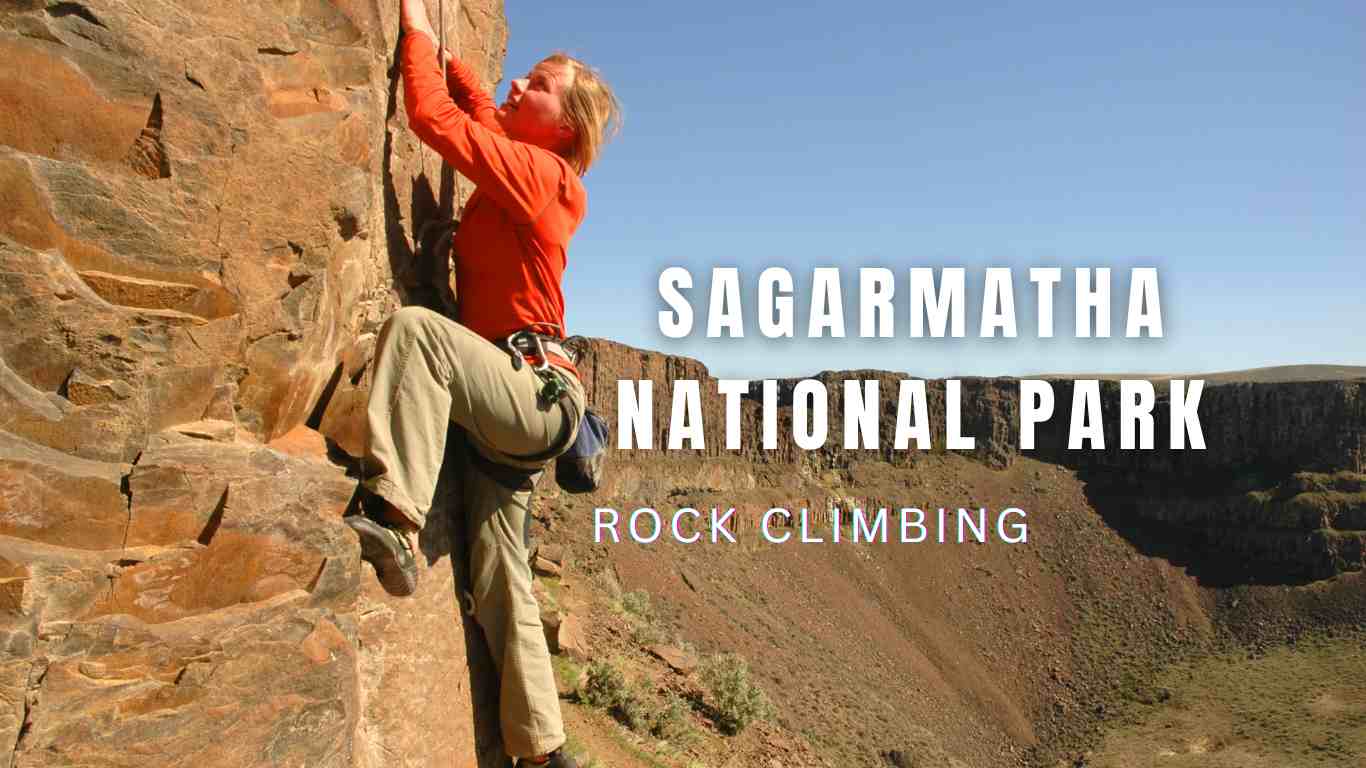
Rock Climbing in Sagarmatha National Park
Rock Climbing in Sagarmatha National Park: Have you ever dreamt of scaling the majestic peaks of the Himalayas? In Sagarmatha National Park, the world’s tallest mountains unveil a breathtaking challenge for intrepid climbers. Here, amidst the awe-inspiring beauty of the Khumbu region, lies a unique opportunity to test your limits and discover the thrill of rock climbing in the shadow of giants. Beyond its stunning landscape, Sagarmatha National Park holds a special significance for climbers. This UNESCO World Heritage Site boasts a diverse range of rock formations, catering to all levels of experience. From challenging technical climbs on iconic peaks like Mount Lhotse and Cho Oyu, to beginner-friendly crags nestled amidst breathtaking valleys, the park offers an unparalleled climbing experience. Unique Features of Rock Climbing in the Region Scaling a rock face in Sagarmatha is not just a physical endeavor; it’s a profound journey. As you ascend, you’ll encounter breathtaking panoramic views, experience the rich Sherpa culture, and discover a sense of serenity amidst the rugged peaks. This unique blend of physical challenge, cultural immersion, and spiritual awakening is what makes rock climbing in Sagarmatha truly exceptional. Geological Marvels and Climbing Spots Sagarmatha National Park is a geological wonderland, boasting towering peaks, glaciers that carve through valleys, and diverse rock formations sculpted by time and nature. This unique landscape offers a playground fo climbers, with varying terrain and routes to suit all skill levels and preferences. Noteworthy Rock Formations Himalayan Peaks for Advanced Climbers: For seasoned climbers seeking the ultimate challenge, Sagarmatha offers iconic peaks like Mount Lhotse and Cho Oyu. These technical climbs require advanced skills and meticulous preparation, but the rewards are immeasurable: breathtaking views, a sense of accomplishment, and a deep connection with the mountains. Beginner-Friendly Spots Amidst Nature’s Beauty: For those new to climbing or seeking a gentler introduction to the sport, Sagarmatha offers numerous beginner-friendly crags. The Thame Teng area and Monjo Crag provide secure holds and gradual slopes, allowing you to learn the ropes, experience the thrill of climbing, and soak in the breathtaking beauty of the Himalayas. Gear Essentials for High Altitudes Rock Climbing in Sagarmatha National Park requires specialized gear to withstand the challenging conditions. This includes: High-altitude boots: Provide warmth, support, and traction for navigating the unpredictable mountain terrain. Mountaineering clothing: Breathable and weather-resistant clothing designed for comfort and protection in high-altitude environments. Technical climbing equipment: Harnesses, ropes, belay devices, and other essential gear for safe climbing. Communication devices: Reliable communication devices like satellite phones are vital for ensuring safety and assistance in case of emergencies. Safety Protocols in the Himalayas Acclimatization is crucial for preventing altitude sickness and ensuring a safe climb. Climbers should ascend gradually, listen to their bodies, and consult with experienced guides for proper acclimatization protocols. Whether you are a beginner or an experienced climber, participating in training programs and obtaining relevant certifications can significantly enhance your skills and knowledge of high-altitude climbing techniques. This will not only improve your climbing experience but also contribute to your safety. Emergency Response Systems in Sagarmatha Sagarmatha National Park has established a robust emergency response system to assist climbers in case of accidents or injuries. This includes trained rescue teams, medical facilities equipped to handle high-altitude emergencies, and evacuation procedures. By understanding the unique challenges and rewards of Rock Climbing in Sagarmatha National Park, preparing meticulously, and adhering to safety protocols, you can embark on a remarkable journey of self-discovery amidst the majestic Himalayas. Climbing Seasons in the Himalayas Sagarmatha offers climbing opportunities throughout the year, but certain seasons are better than others depending on your preferences: Spring (March-May): Pleasant temperatures and clear skies provide ideal conditions for both indoor and outdoor climbing. Autumn (September-November): Another season of comfortable temperatures and clear skies, perfect for challenging climbs and enjoying the breathtaking autumn colors. Summer (June-August): The monsoon season brings heavy rain, making outdoor climbing challenging. However, this is the ideal time for indoor training and enjoying the vibrant culture of the region. Winter (December-February): Milder temperatures allow for comfortable outdoor climbing, but higher altitudes may experience snowfall, requiring additional preparation and gear. Weather Variations Impacting Climbing Conditions Rock Climbing in Sagarmatha National Park Weather conditions in the Himalayas are unpredictable and can change rapidly. Climbers need to be aware of: Temperature: Extreme heat or cold can affect performance and safety. Choose appropriate clothing and adjust your climbing schedule accordingly. Rainfall: Heavy rain can make outdoor climbing dangerous. Be aware of weather forecasts and avoid climbing during storms. Wind: Strong winds can affect stability and pose safety risks. Choose sheltered areas or climb indoors during windy conditions. Building a Climbing Community at Altitude Sagarmatha boasts a vibrant and welcoming climbing community. Local climbers, instructors, and businesses actively encourage newcomers and foster a supportive environment for learning and sharing experiences. Several events and groups connect climbers and promote community building: Climber meetups: Regular gatherings offer opportunities to socialize, share experiences, and plan climbing trips. Climbing clubs: These clubs organize group climbs, workshops, and social events for members of all skill levels. Online forums and groups: These platforms allow climbers to connect online, ask questions, and share information. Sustainable Climbing Practices in High Altitudes The delicate ecosystem of Sagarmatha requires responsible climbing practices. Climbers should: Minimize waste: Pack out all trash and avoid littering. Respect wildlife: Observe animals from a safe distance and avoid disturbing their habitat. Use established trails: Follow designated routes to minimize environmental impact. Community-Led Conservation Initiatives Local climbers actively participate in conservation efforts: Tree planting programs: Offset carbon emissions and contribute to reforestation. Educational workshops: Raise awareness about environmental protection and encourage sustainable climbing practices. Support for eco-friendly businesses: Choose companies committed to sustainability and minimizing their environmental impact. Cultural Significance of Climbing in the Himalayas Climbing in the Himalayas is deeply intertwined with the local culture. Climbers often encounter: Prayer flags: These colorful flags adorn the mountains and represent blessings and good fortune for climbers. Mani stones: Carved with Buddhist prayer mantras, these stones are found along many climbing
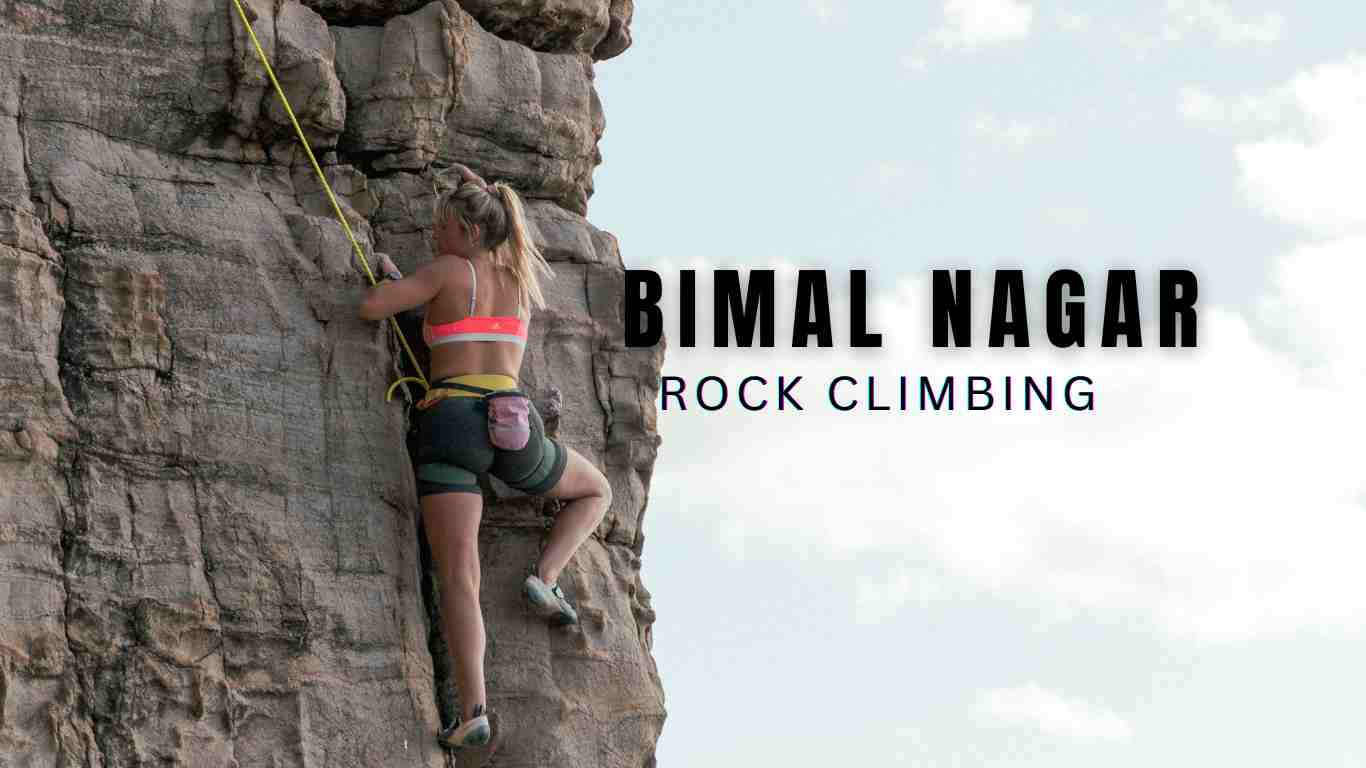
Rock Climbing in Bimal Nagar, Nepal
Rock Climbing in Bimal Nagar: Have you ever dreamt of scaling towering cliffs, feeling the rush of adrenaline as you reach breathtaking heights? Look no further than Bimal Nagar, a hidden gem nestled in the foothills of the Himalayas, offering a rock climbing experience unlike any other. Bimal Nagar boasts a diverse collection of over 35 climbing routes catering to all skill levels. From towering limestone cliffs that challenge experienced climbers to gentler rock faces perfect for beginners, Bimal Nagar provides an environment for everyone to conquer their fears and reach new heights. What Sets Bimal Nagar Apart for Climbers This off-the-beaten-path destination offers several unique features that draw climbers from all over the world: Untouched Beauty: Escape the crowds and immerse yourself in the serenity of Bimal Nagar’s natural landscape, surrounded by lush valleys and stunning mountain views. Accessibility: Conveniently located near Pokhara and Kathmandu, Bimal Nagar is easily accessible, making it an ideal add-on to any Nepalese adventure. Affordability: Compared to other popular climbing destinations, Bimal Nagar offers budget-friendly options, allowing aspiring climbers to enjoy the sport without breaking the bank. Supportive Community: Join a passionate community of climbers who actively contribute to the development of the sport in the region and offer encouragement and support to all newcomers. Geography and Rock Formations Bimal Nagar’s unique geological features create a diverse and challenging climbing environment. Dramatic limestone cliffs rise from the valley floor, sculpted by the Marshyandi River, offering a variety of textures, angles, and difficulties to explore. Noteworthy Rock Formations Majestic Peaks for Advanced Climbers: Experienced climbers can conquer the “Eagle’s Nest” and “Dragon’s Back,” towering cliffs with multi-pitch climbs and breathtaking panoramic views. Beginner-Friendly Spots: For those new to climbing, Bimal Nagar offers gentle rock faces with secure holds, perfect for learning the ropes and gaining confidence in a safe and encouraging environment. The Climbing Experience Escape the hustle and bustle and experience the peacefulness of Bimal Nagar. Surrounded by lush greenery and fresh mountain air, you can fully immerse yourself in the natural beauty and focus on your ascent. Challenges and Rewards for Climbers Whether you’re a seasoned climber or just starting, Bimal Nagar offers challenges to suit your skill level. Beginners can experience the joy of conquering their initial fears and reaching new heights, while more experienced climbers can test their skills on demanding routes and push their limits. Testimonials from Climbing Enthusiasts “Bimal Nagar was an unforgettable climb The breathtaking views, welcoming community, and challenging routes made it an experience I’ll never forget.” – Nadia, Experienced Climber “As a beginner, I felt comfortable and encouraged in Bimal Nagar. The guidance from local climbers helped me learn the basics and build my confidence.” – Michael, First-Time Climber Equipment Essentials Must-Have Gear for Bimal Nagar Climbing Climbing shoes Harness Belay device Helmet Chalk bag Ropes and quickdraws (for multi-pitch climbs) Rental Facilities and Gear Shops Several local shops in Bimal Nagar offer convenient gear rental services, allowing visitors to travel light and avoid the expense of purchasing equipment. Come experience the thrill of Rock Climbing in Bimal Nagar. Discover untouched beauty, conquer challenging climbs, and join a welcoming community of climbers. Lace-up your shoes, pack your gear, and embark on a journey to the heights of Bimal Nagar. Safety Measures and Training Safety is paramount in Bimal Nagar. Local guides, instructors, and climbing shops prioritize safety and adhere to strict protocols. These include: Thorough gear inspection: Equipment is regularly checked for wear and tear to ensure climber safety. Mandatory safety briefings: Climbers are provided with comprehensive safety briefings before attempting any climb. Proper belaying and anchoring techniques Guides ensure safe belaying and anchoring practices to prevent accidents. Emergency preparedness: Plans and resources are in place to address any potential emergencies. Experienced and certified local instructors offer training programs for all skill levels. They guide techniques, safety protocols, and route selection, ensuring a safe and enjoyable climbing experience. Bimal Nagar has established efficient emergency response systems. Trained personnel and readily available equipment ensure prompt assistance in case of any accidents or injuries. Ideal Climbing Seasons The best time to climb in Bimal Nagar depends on your preferences and weather conditions: Spring (March-May) and Autumn (September-November): Pleasant temperatures, clear skies, and minimal rainfall offer ideal climbing conditions. Summer (June-August): Monsoon season brings heavy rains, making climbing unsafe and challenging. Winter (December-February): Temperatures can drop significantly, with potential snowfall at higher altitudes, requiring additional preparation and gear. Weather conditions can significantly impact climbing experiences. Climbers should consider factors like temperature, wind, and precipitation when choosing their climbing season and routes. Bimal Nagar Climbing Community Bimal Nagar boasts a warm and welcoming climbing community. Local climbers and businesses actively support and encourage newcomers, fostering a positive and inclusive environment. Climbers can connect and network through various events and groups: Climbing clubs: Regular meetings and climbing outings provide opportunities to socialize, learn from experienced climbers, and explore new routes. Social media groups: Online platforms facilitate communication, sharing advice, and organizing climbing trips. Local shops and cafes: These gathering spots allow climbers to connect, share stories, and build lasting friendships. Success Stories and Inspirational Climbing Journeys The Bimal Nagar climbing community celebrates achievements and shares inspirational journeys. Climber success stories motivate newcomers and inspire them to reach new heights. Conservation and Sustainability Efforts Bimal Nagar recognizes the importance of environmental stewardship. Climbers are encouraged to follow sustainable practices, such as: Leave no trace: Pack out all trash and avoid damaging the natural environment. Respect local customs and traditions: Be mindful of cultural sensitivities and contribute to the preservation of traditional practices. Support eco-friendly businesses: Choose businesses committed to sustainable practices and environmental protection. Community-Led Conservation Initiatives Local climbers and businesses actively participate in conservation initiatives: Clean-up drives: Regular clean-up events maintain the pristine environment of climbing areas. Tree planting programs: Planting trees helps offset carbon emissions and contribute to reforestation efforts. Educational workshops: Workshops raise awareness about environmental conservation and encourage sustainable practices. By taking responsibility and implementing these sustainable practices, the Bimal Nagar climbing community can ensure a thriving future for the sport and the environment. Immersing in Local Culture Rock
Rock Climbing in Langtang Valley
Rock Climbing in Langtang Valley: Have you ever dreamed of scaling rugged cliffs, gazing upon breathtaking panoramas, and experiencing the thrill of conquering a mountain face? Then look no further than the Langtang Valley, nestled amidst the majestic Himalayas. This hidden gem offers a unique blend of challenging climbs, stunning landscapes, and a rich cultural heritage, waiting to be explored by intrepid adventurers like you. Beyond its postcard-perfect beauty, Langtang Valley is rapidly becoming a renowned destination for rock climbers of all skill levels. With its diverse terrain, challenging peaks, and accessible spots for beginners, the valley offers something for everyone. Whether you’re a seasoned climber seeking a new adrenaline rush or a curious novice eager to try your hand at this exhilarating sport, Langtang provides the perfect setting for an unforgettable adventure. Langtang’s Emergence as a Climbing Haven While Langtang Valley has long been a cherished trekking destination, its potential for rock climbing has only recently begun to be recognized. With its growing popularity and the development of dedicated climbing infrastructure, Langtang is poised to become a major hub for climbers seeking a unique and challenging experience in the Himalayas. Geological Wonders and Climbing Spots Langtang Valley boasts a diverse landscape sculpted by glacial valleys, towering peaks, and dramatic rock formations. This unique terrain creates a playground for climbers, offering a variety of climbing styles and routes to suit all skill levels and preferences. Signature Rock Formations Challenging Peaks for Experienced Climbers: For seasoned climbers seeking a pinnacle experience, Langtang offers iconic peaks like Yala Peak and Langtang Lirung. These technical climbs require advanced skills and meticulous preparation, but the rewards are immeasurable: breathtaking summit views, a sense of accomplishment, and an unforgettable connection with the Himalayas. Accessible Spots for Climbing Novices: For those new to climbing or seeking a gentler introduction to the sport, Langtang offers numerous beginner-friendly crags. Areas like Langtang Village and Kyanjin Gompa provide secure holds and gradual slopes, allowing you to learn the ropes, experience the thrill of climbing, and soak in the breathtaking beauty of the valley. Climbing in Langtang requires specialized gear to withstand the challenging conditions. This includes: High-altitude boots: Providing warmth, support, and traction for navigating the unpredictable mountain terrain. Mountaineering clothing: Breathable and weather-resistant clothing designed for comfort and protection in alpine environments. Technical climbing equipment: Harnesses, ropes, belay devices, and other essential gear for safe climbing. Communication devices: Reliable communication devices like satellite phones are vital for ensuring safety and assistance in case of emergencies. Safety Measures in High Altitudes Acclimatization is crucial for preventing altitude sickness and ensuring a safe climate Climbers should ascend gradually, listen to their bodies, and consult with experienced guides for proper acclimatization protocols. Whether you are a beginner or an experienced climber, participating in training programs offered in Langtang can significantly enhance your skills and knowledge of alpine climbing techniques. This will not only improve your climbing experience but also contribute to your safety. Emergency Response Systems at High Elevations Langtang Valley has established a reliable emergency response system to assist climbers in case of accidents or injuries. This includes trained rescue teams, medical facilities equipped to handle high-altitude emergencies, and evacuation procedures. By understanding the unique challenges and rewards of Rock Climbing in Langtang Valley, preparing meticulously, and adhering to safety protocols, you can embark on a remarkable journey of self-discovery amidst the majestic Himalayas. Optimal Climbing Seasons in Langtang Valley Langtang offers year-round climbing opportunities, but certain seasons are more favorable depending on your preferences: Autumn (September-November): Clear skies and pleasant temperatures provide ideal conditions for both indoor and outdoor climbing. Spring (March-May): Comfortable temperatures and vibrant wildflowers create a picturesque backdrop for challenging climbs. Summer (June-August): While the monsoon brings rain, it also offers lush greenery and waterfalls, perfect for indoor training and exploring the valley’s cultural treasures. Winter (December-February): Milder temperatures allow for comfortable climbs, but higher altitudes may experience snowfall, requiring additional gear and preparation. Understanding Weather Patterns for Safe Climbing Conditions: Langtang’s weather can be unpredictable, so staying informed is key: Temperature: Extreme heat or cold can affect performance and safety. Choose appropriate clothing and adjust your climbing schedule accordingly. Rainfall: Heavy rain can make outdoor climbing dangerous. Be aware of weather forecasts and avoid climbing during storms. Wind: Strong winds can affect stability and pose safety risks. Choose sheltered areas or climb indoors during windy conditions. Cultivating a Climbing Community Langtang fosters a welcoming and supportive climbing community. Local climbers, instructors, and businesses actively encourage newcomers and provide opportunities to connect and share experiences. Networking Events and Opportunities: Several events and platforms connect climbers and promote community building: Climbing meetups: Regular gatherings offer opportunities to socialize, share experiences, and plan climbing trips. Climbing clubs: These clubs organize group climbs, workshops, and social events for members of all skill levels. Online forums and groups: These platforms allow climbers to connect online, ask questions, and share information. Sustainable Climbing Practices Langtang recognizes the importance of responsible climbing practices: Minimize waste: Pack out all trash and avoid littering. Respect wildlife: Observe animals from a safe distance and avoid disturbing their habitat. Use established trails: Follow designated routes to minimize environmental impact. Community-Driven Conservation Initiatives: Local climbers and businesses actively participate in conservation efforts: Tree planting programs: Offset carbon emissions and contribute to reforestation. Educational workshops: Raise awareness about environmental protection and encourage sustainable climbing practices. Support for eco-friendly businesses: Choose companies committed to sustainability and minimizing their environmental impact. Immerse in Local Culture Climbing in Langtang is deeply intertwined with the local culture: Traditional hospitality: Experience the warmth and hospitality of the Tamang people, who share their stories and cultural traditions. Prayer flags and Mani stones: Encounter these colorful symbols of blessings and good fortune on many climbing routes. Local cuisine: Savor delicious yak cheese, momos, and other traditional dishes for a truly immersive experience. Festivals and Traditions that Resonate with Climbers: Climbers can participate in various festivals and traditions: Tashi Lhabu Festival: This vibrant festival celebrates the harvest and the local Tamang culture, offering a glimpse into their traditions and beliefs. Losar: This Tibetan New Year celebration is marked by colorful festivities, traditional
Rock climbing in Manang Valley
Imagine the wind whispering through your hair as you scale jagged cliffs, the majestic Annapurna Himalayas framing your every move. This is the enthralling world of rock climbing, and in Manang Valley, Nepal, it reaches new heights of adventure. Manang Valley isn’t just a trekker’s paradise; it’s a rock climber’s playground, a hidden gem nestled amidst breathtaking scenery and diverse climbing challenges. Whether you’re a seasoned ascender craving the next vertical frontier or a curious adventurer taking your first steps on the wall, this comprehensive guide will equip you to unlock the marvels of climbing in this awe-inspiring valley. Unveiling the Magnificence of Manang Valley Manang Valley is more than just a climbing destination; it’s a visual and sensory feast. Imagine emerald valleys dotted with yak herders, cascading glaciers carving paths through snow-capped peaks, and the iconic Annapurna Range standing sentinel on the horizon. Breathe in the crisp mountain air, feel the sun warm your skin, and soak in the raw beauty of this natural wonderland. But beneath this breathtaking surface lies a climber’s paradise. An array of rock formations, from towering granite faces and overhanging crags to sculpted boulders and hidden gorges, cater to every skill level and climbing style. Whether you prefer the adrenaline rush of sport climbing or the meditative flow of trad climbing, Manang Valley has a route waiting to be conquered. And beyond the vertical thrill, Manang offers a tapestry of adventure. Hike through alpine meadows, rappel down hidden waterfalls, or visit the ancient monasteries perched on mountain slopes. The cultural heritage and spiritual serenity add another dimension to your climbing experience, making it a truly holistic journey. Essential Gear and Equipment for Rock Climbing in Manang Valley To conquer the walls of Manang, you need the right tools. Your journey begins with a perfect pair of climbing shoes, their sticky rubber soles designed to grip the rock with precision and comfort. A reliable harness and safety gear, including carabiners and a belay device, are your guardians on the wall, ensuring your safety as you ascend and descend. Secure ropes and anchors become your lifeline, anchoring you to the earth and allowing you to navigate the vertical terrain with confidence. While some equipment can be rented in Manang, consider bringing your own if you’re a frequent climber. Remember, reliable gear not only enhances your performance but also plays a crucial role in ensuring your safety. Physical and Mental Preparation for Rock Climbing Rock climbing isn’t just a physical feat; it’s a dance of body and mind. To conquer the mountains, you need to build both strength and endurance. Climbing-specific exercises like pull-ups, leg raises, and core work will prepare your muscles for the demands of the vertical world. But physical prowess alone isn’t enough. Flexibility and balance training will enhance your agility on the rock face. Mastering footwork, handholds, and body positioning becomes your mantra, allowing you to move with grace and efficiency. However, the most important battleground is within. Mental focus and confidence are your armor against fear and doubt. Learn to trust your skills, embrace the challenge, and celebrate even the smallest victories. Remember, every slip is a lesson, and every fall is a chance to rise stronger. Techniques and Skills for Rock Climbing in Manang Valley Conquering Manang’s diverse terrain demands mastering the basics. Each step is deliberate, maximizing stability and leverage. Footwork is your foundation, using edges and pressure points to hug the rock and stay balanced. Handholds become your allies, demanding adaptation to different types like crimps, pockets, and jugs. Body positioning is the conductor, keeping your center of gravity close, engaging your core, and minimizing wasted movement. Belaying and Rope Management: Vital Safety Skills: Climbing isn’t a solo act. Mastering belaying techniques, rope tension, and communication signals is crucial. Learn to manage the rope smoothly, feeding it as needed while ensuring a secure connection. Remember, your belayer is your lifeline; their confidence is your safety net. Lead Climbing: Advancing Your Abilities and Exploring New Heights: For adventurous spirits, lead climbing beckons. This advanced technique requires strategic thinking, risk assessment, and route reading. You’ll place your anchors, forging your path up the wall. If you’re ready to push your limits, Manang Valley offers challenging lead climbs to test your mettle. Safety Guidelines and Risk Management in Manang Valley Safety is paramount. Before embarking on any climb, evaluate the weather, avoiding slippery surfaces after rain. Choose routes matching your skill level, pushing yourself gradually. Manang’s diverse terrain can hold hidden dangers; inspect rock faces for cracks or weaknesses before relying on any handhold. Emergency Preparedness: First Aid, Communication, and Evacuation Plans: Be prepared for the unexpected. Carry a comprehensive first-aid kit and know basic techniques. Ensure your partner does too. Establish clear communication plans with your belayer and team, discussing evacuation routes and procedures in case of an emergency. Partner Checks and Effective Communication: Trust is the glue in climbing. Before starting any climb, perform thorough partner checks, ensuring all equipment is secure and properly worn. Maintain clear and concise communication throughout, using verbal cues and hand signals. Remember, open communication fosters trust and ensures everyone’s safety. Environmental Conservation and Ethical Practices Manang Valley’s beauty is a shared treasure. Leave no trace of your passage. Pack out all trash, including food wrappers and used gear. Minimize disturbance to flora and fauna. Remember, responsible climbing ensures a sustainable future for this natural playground. Respecting Local Regulations: Climbing Permits and Guidelines Manang Valley has established guidelines and regulations for climbers. Obtain the necessary permits before embarking on your climb. Familiarize yourself with local rules and climbing etiquette. Respect the cultural and spiritual significance of the area, particularly around religious sites. Supporting Sustainable Climbing Practices: Preserving the Beauty of Manang Valley Choose eco-friendly climbing practices. Consider using reusable gear and biodegradable chalk. Opt for eco-friendly cleaning products for your equipment. Support local initiatives that promote responsible tourism in Manang Valley. Remember, your choices can make a positive impact on this precious environment. Unforgettable Experiences
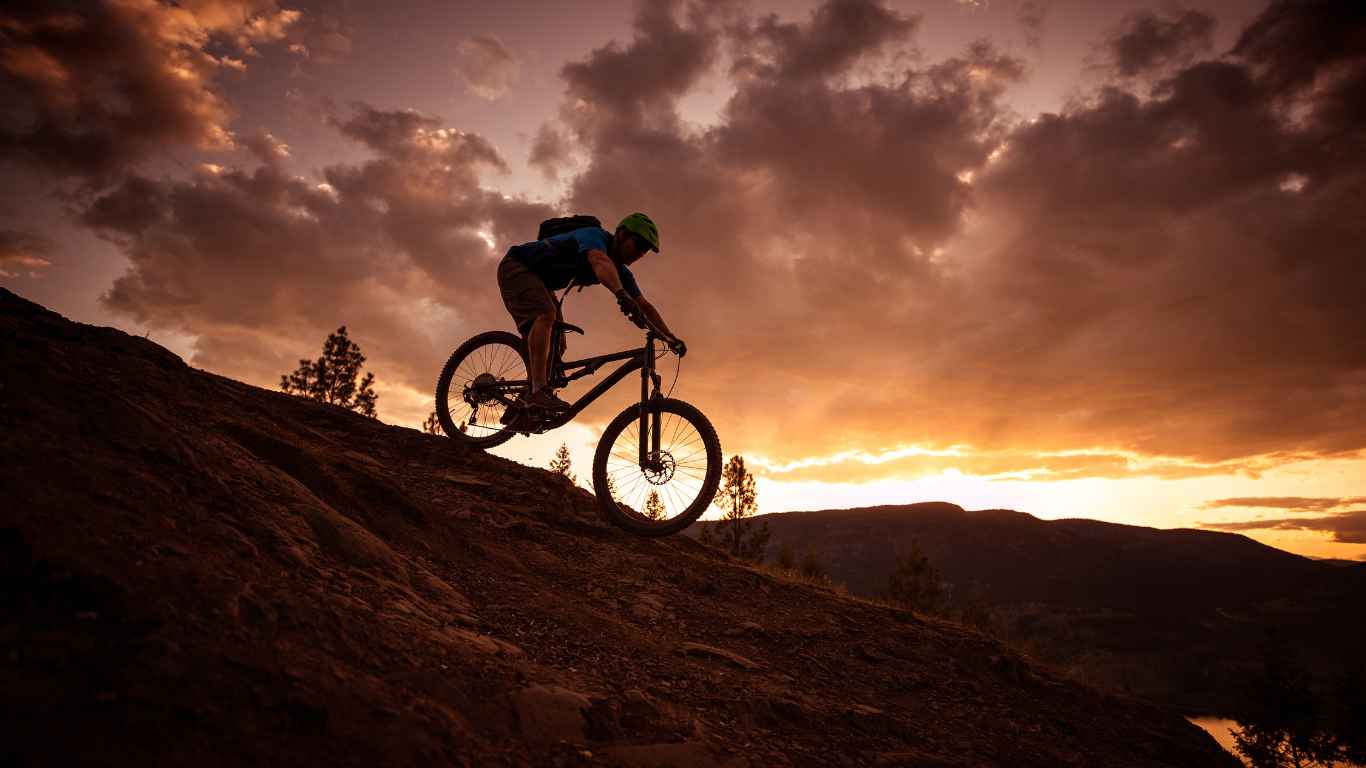
Mountain Biking in Coorg: Thrilling Mountain Biking Adventure
Coorg, often referred to as the “Scotland of India,” is a captivating destination nestled in the Western Ghats of South India. With its picturesque landscapes, sprawling coffee plantations, and lush hills, Coorg offers a stunning setting for outdoor enthusiasts seeking adventure. Among the myriad activities that this region has to offer, mountain biking stands out as a thrilling way to explore the area’s natural beauty. This introduction sets the stage for an exhilarating journey into the world of mountain biking in Coorg, where the fusion of stunning terrain and heart-pounding excitement awaits those who dare to embrace this adrenaline-pumping adventure. What is mountain biking? Mountain biking is an exhilarating outdoor activity that involves riding specially designed bicycles, known as mountain bikes, over rugged and off-road terrain. It’s a physically demanding sport that challenges riders to navigate through various natural obstacles such as rocky trails, steep descents, forested paths, and even mountainous slopes. Mountain bikes are equipped with robust frames, knobby tires, and advanced suspension systems to handle these challenging terrains. This adventurous sport offers a unique blend of physical exertion, technical skills, and a strong connection with nature. It’s a popular recreational pursuit, promoting both fitness and an appreciation for the great outdoors. Best Mountain Biking Trails in Coorg Coorg, a South Indian gem, offers some of the finest mountain biking trails in the country. Its diverse terrain, ranging from dense forests to rolling hills, presents thrilling challenges for bikers. In this section, we’ll explore the best trails Coorg has to offer, promising unforgettable two-wheeled adventures. 1. Mandalpatti Mandalpatti, nestled in the heart of Coorg’s Western Ghats, is a mountain biking haven. This trail, known for its breathtaking vistas and thrilling descents, offers an unparalleled biking experience. The path winds through dense forests, leading to a vantage point that rewards riders with panoramic views of Coorg’s picturesque landscapes. With a range of terrains, Mandalpatti caters to both beginners and seasoned bikers, making it one of the region’s most sought-after trails. Whether you seek adventure, natural beauty, or a combination of both, Mandalpatti delivers a memorable mountain biking experience in Coorg. 2. Chelavara Falls Chelavara Falls, another captivating spot in Coorg, offers an exhilarating mountain biking experience. This trail takes riders on a journey through dense forests and winding paths, leading to the impressive Chelavara Falls. The route’s terrain presents both challenges and opportunities, with technical descents and rocky sections for thrill-seekers. Bikers are rewarded with the sight and sound of the cascading falls at the end of their journey, making it a perfect blend of adventure and natural beauty. Chelavara Falls trail is a must-visit for those seeking an adrenaline rush in Coorg’s pristine wilderness. 3. Nishani Motte Nishani Motte, an enchanting peak in Coorg, offers an invigorating mountain biking trail. This trail is renowned for its adventurous and challenging nature, making it a favorite among experienced riders. With steep ascents and descents, rocky terrain, and thick forests, it demands technical skills and physical endurance. Nishani Motte’s elevation grants riders awe-inspiring panoramic views of the surrounding valleys and hills. It’s a journey that pushes the boundaries of mountain biking, offering an unmatched combination of thrill and natural grandeur in the heart of Coorg’s captivating landscapes. 4. Brahmagiri Wildlife Sanctuary Brahmagiri Wildlife Sanctuary, located in the Coorg region, offers a unique and captivating mountain biking experience. This trail weaves through the sanctuary’s dense forests, allowing riders to immerse themselves in the lush wilderness and experience the diverse flora and fauna that call this place home. The route features a mix of terrains, from moderately challenging paths to more technical sections, catering to a range of biking skills. Cyclists often encounter wildlife like elephants, gaurs, and various bird species during their journey. Mountain biking in the Brahmagiri Wildlife Sanctuary is not only an adventure but also a memorable way to connect with nature in Coorg. Equipment and Preparations Mountain biking in Coorg requires appropriate equipment and careful preparations to ensure a safe and enjoyable adventure. Mountain Biking Gear: To begin, having a well-maintained mountain bike with appropriate suspension, knobby tires, and sturdy frame is crucial. Additionally, safety gear such as a helmet, gloves, and protective clothing is essential to protect against potential falls and obstacles. Basic Maintenance: It’s essential to ensure that your bike is in top condition before hitting the trails. Regularly check the brakes, tire pressure, and overall bike condition to prevent any breakdowns during your ride. Navigation Tools: Maps, GPS devices, or smartphone apps are valuable for navigating the sometimes intricate trail networks in Coorg. First Aid Kit: Carrying a basic first aid kit is wise, as it can be helpful in the event of minor injuries or accidents. Hydration and Nutrition: Bring ample water and energy snacks to stay hydrated and maintain energy levels throughout your ride. Local Knowledge: Familiarize yourself with the specific trail you plan to tackle, including its difficulty level and any potential hazards. Safety Precautions: Always inform someone about your biking plans and estimated return time. In case of emergencies, having a charged phone and an emergency contact number is crucial. With the right equipment and thorough preparations, you can enjoy the thrilling mountain biking trails in Coorg while ensuring your safety and maximizing the adventure. Local Culture and Cuisine Exploring the mountain biking trails in Coorg offers not only outdoor adventure but also a chance to immerse in the region’s rich local culture and savor its delectable cuisine. Coorg, known for its unique traditions and vibrant culture, beckons riders to experience its warm hospitality. Discover the distinct Coorgi culture, with its fascinating rituals, festivals, and traditions that reflect the heritage of the Kodava people. While indulging in exhilarating rides, take time to relish the local cuisine, which often features aromatic coffee, flavorful spices, and traditional Kodava dishes like Pandi Curry (pork curry) and Akki Roti (rice flatbread). Mountain biking in Coorg offers a holistic cultural and culinary journey that complements the thrill of the trails. Conclusion Mountain biking in Coorg is an

Mountain Biking in Sikkim Routes And Destinations
Nestled in the eastern Himalayas, Sikkim emerges as a haven for mountain biking enthusiasts seeking an adrenaline-fueled escapade amid breathtaking landscapes. Known for its diverse topography, this Indian state offers an exhilarating blend of challenging trails winding through majestic mountain ranges, dense forests, and serene valleys. Against this backdrop, mountain biking in Sikkim becomes a captivating journey where every turn presents a new adventure. As wheels cut through the earth, riders are immersed in the beauty of Gangtok, where local trails intertwine with vibrant cultural experiences. The journey extends to the picturesque Yumthang Valley, revealing technical intricacies amid pristine natural beauty, and the awe-inspiring Singalila Ridge, offering panoramic views of the Himalayas and high-altitude thrills. In this exploration, we delve into the heart of Sikkim’s mountain biking scene, uncovering its unique terrain, popular destinations, and the diverse array of trails that make it a must-visit for biking enthusiasts seeking an unforgettable experience. Sikkim’s Unique Terrain Sikkim’s allure lies in its unique and varied terrain, making it a dream destination for mountain biking enthusiasts. The majestic Himalayan mountain ranges form the backbone of the state, offering riders a challenging playground with elevations that test their mettle. As bikers traverse these lofty peaks, they encounter valleys adorned with vibrant meadows and dense, mystical forests, creating a kaleidoscope of natural beauty. The undulating landscapes of Sikkim provide an ideal canvas for diverse trails, from gentle slopes to steep descents, ensuring an adrenaline-pumping adventure for every level of rider. The valleys and meadows of Sikkim, like the renowned Yumthang Valley, captivate bikers with their scenic grandeur. Rolling hills and expansive greenery create a stunning backdrop, enhancing the biking experience. The dense forests, with their lush canopies and hidden trails, add an element of mystery and excitement to the journey, making Sikkim a treasure trove for exploration. It’s the seamless integration of challenging mountainous terrain and serene valleys that distinguishes Sikkim as an unparalleled mountain biking destination, offering an immersive experience of nature’s unparalleled beauty. Popular Sikkim Mountain Biking Routes and Destinations Sikkim unfolds a tapestry of thrilling mountain biking adventures with its diverse and captivating destinations. From the bustling capital of Gangtok, where local trails weave through cultural gems, to the enchanting Yumthang Valley, adorned with natural splendor, and the panoramic Singalila Ridge offering Himalayan vistas – each destination beckons riders with its unique charm. In this section, we explore the topography and biking experiences of these renowned destinations, delving into the challenges and delights they present to those seeking the perfect balance between adrenaline and the picturesque landscapes that define Sikkim’s popular mountain biking scene. Gangtok – Ranka – Martam 29 Km Nestled in the Himalayas, Gangtok, the capital of Sikkim, beckons mountain bikers with a mix of thrilling trails and cultural richness. Local routes intertwine with the city’s vibrant ambiance, providing riders with a unique blend of adventure and cultural exploration. The trails around Gangtok offer varying terrains, from challenging ascents to scenic descents, promising an unforgettable biking experience. Best Time for the Tour: The ideal time for a mountain biking tour in Gangtok is during the months of March to June and September to November, avoiding the monsoon season for optimal weather conditions. Nearby Attractions: Explore the enchanting Tsomgo Lake, witness the awe-inspiring Nathula Pass, and delve into the spiritual ambiance of Rumtek Monastery for a holistic Sikkimese experience. Yuksom-Kheochepari (25 km) The Yuksom-Kheochepari trail is a mountain biker’s paradise, weaving through pristine landscapes and cultural gems in Sikkim. This trail offers a perfect blend of challenging terrains and breathtaking views of the Himalayas. Beginning in the historic town of Yuksom, riders navigate through lush forests, meadows, and quaint villages, creating a memorable biking experience. The highlight is Kheochepari Lake, a serene and secluded destination surrounded by lush greenery, offering a peaceful retreat for bikers. Best Time for the Tour: The best time for a mountain biking tour on the Yuksom-Kheochepari trail is during the months of March to June and September to November, avoiding the monsoon season for optimal weather and trail conditions. Nearby Attractions: Explore the historic Dubdi Monastery, witness the coronation site of Sikkim’s first king at Norbugang Park, and marvel at the ancient stone throne at Coronation Throne for a cultural immersion amid the natural beauty of Yuksom. Singalila Ridge Situated on the border of Sikkim and West Bengal, the Singalila Ridge offers a mesmerizing mountain biking experience with its panoramic views of the snow-capped Himalayas. The trail unfolds through rhododendron-filled forests and high-altitude meadows, presenting a challenging yet rewarding journey for bikers. As riders traverse the ridge, they are treated to breathtaking vistas of iconic peaks like Mount Everest and Kanchenjunga. Best Time for the Tour: The best time for a mountain biking tour along the Singalila Ridge is during the post-monsoon months of September to November when the weather is clear, and visibility is optimal. Nearby Attractions: Explore the enchanting Sandakphu, the highest peak in West Bengal, visit the serene Phalut, and immerse yourself in the cultural richness of Manebhanjan for a holistic adventure amid the pristine landscapes of the Singalila Ridge. Sirwani Temi (27 km) Sirwani Temi, a hidden gem in Sikkim, offers a unique mountain biking experience. The trail winds through the picturesque Temi Tea Gardens, providing bikers with a delightful mix of challenging terrain and scenic beauty. As riders pedal through the neatly manicured tea plantations and hilly landscapes, they are immersed in the tranquility of the region. Sirwani Temi’s charm lies in the blend of adventure and the aroma of fresh tea leaves, making it a distinctive biking destination in Sikkim. Best Time for the Tour: Ideal time: March to June, September to November. Nearby Attractions: Explore Ravangla’s Buddha Park and Tendong Hill for panoramic views. Temi Rabongla (26 km) Temi Rabongla, nestled in the heart of Sikkim, unfolds as a captivating destination for mountain biking enthusiasts. The trail meanders through the quaint town, offering a perfect blend of challenging paths and serene landscapes. As bikers navigate the undulating terrains, they
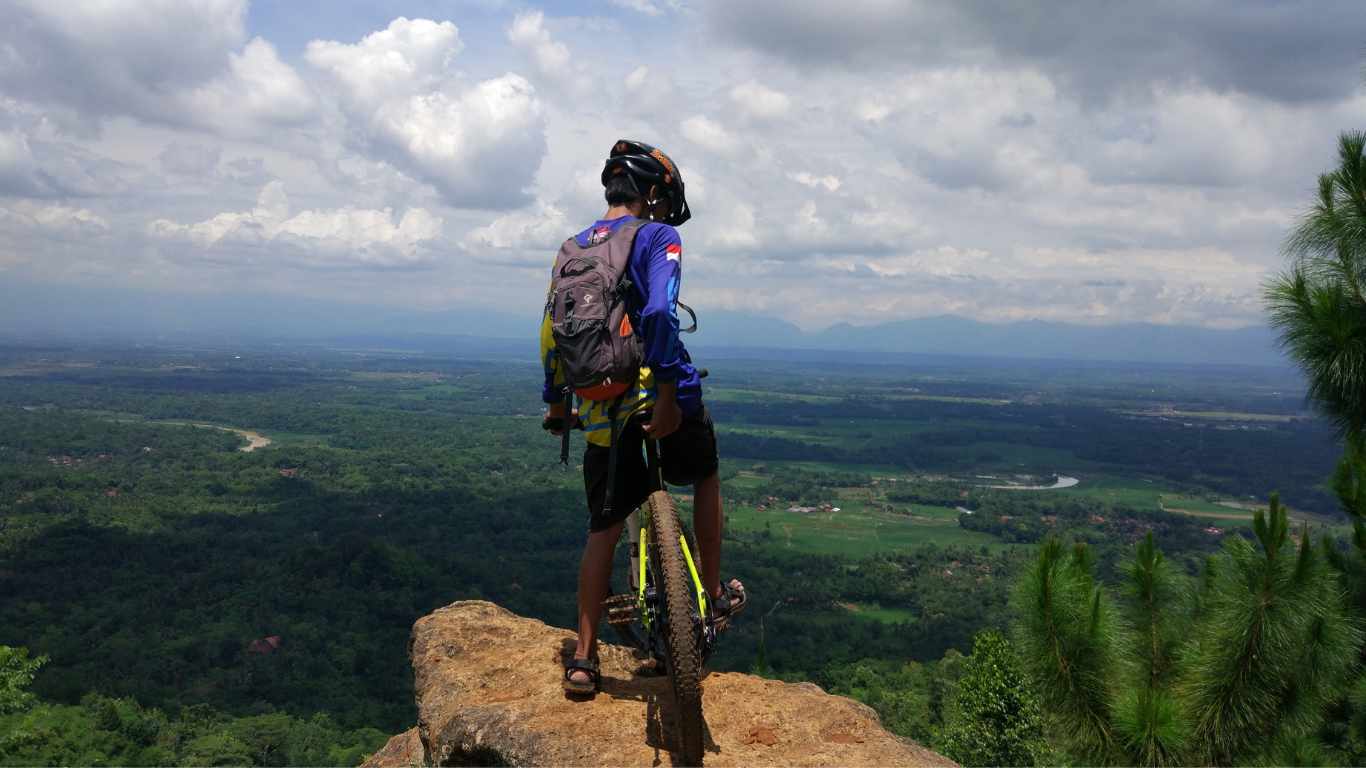
Mountain Biking in Rishikesh: Exploring the Hills on Two Wheels
Tucked away in the landscapes and serene atmosphere of Rishikesh, India lies an exciting escapade, for adventure enthusiasts; mountain biking. Known as the Adventure Capital of India Rishikesh not offers the serenity of the Ganges River but a vast network of thrilling mountain biking trails. This introduction invites you to immerse yourself in the essence of this destination, where you can explore the harmony between nature and adventure. Experience the charm of exploring on two wheels amidst temples, dense forests and the majestic Himalayas. Come along on a journey that blends spirituality with excitement uncovering the thrill of mountain biking, in Rishikesh. What Is Mountain Biking? Mountain biking is a dynamic outdoor activity that involves navigating rugged terrains, often off-road, on specialized bicycles. Unlike conventional cycling, mountain biking is an adrenaline-fueled pursuit, combining physical endurance with technical skill. Riders traverse diverse landscapes, including mountains, forests, and challenging trails, encountering obstacles such as rocks, roots, and steep descents. The sport demands a keen sense of balance, agility, and quick decision-making. Whether it’s downhill racing, cross-country exploration, or freestyle maneuvers, mountain biking caters to various preferences, making it a thrilling and versatile outdoor pursuit for those seeking an adventurous connection with nature and a test of their biking prowess. The Thrill of Mountain Biking Mountain biking in Rishikesh transcends the ordinary, offering an unparalleled thrill that resonates with the adventurous spirit. It’s not just a sport; it’s an immersive journey through rugged terrains, where every turn presents a new challenge and a breathtaking view. As adrenaline courses through veins, bikers navigate diverse landscapes, from dense forests to rocky trails, experiencing the raw beauty of the Himalayas. The thrill lies not only in conquering the undulating paths but also in connecting with nature in its purest form. Each descent and climb become a metaphor for life’s highs and lows, making mountain biking in Rishikesh a transformative adventure that leaves an indelible mark on the soul. Best Time And Season For Mountain Biking In Rishikesh Embarking on the thrilling trails of Rishikesh demands an understanding of the region’s diverse seasons, each painting a distinct canvas for mountain biking enthusiasts. In this exploration, we unravel the optimal times to don your biking gear and hit the trails. From the crisp air of spring to the monsoon’s lush challenges, and the cool embrace of autumn, Rishikesh offers a varied terrain that transforms with the seasons. Discover the magic of pedaling through the Himalayan foothills as we delve into the best times and seasons for mountain biking in Rishikesh, ensuring an adventure that harmonizes with nature’s ever-changing rhythm. Best Time For Mountain Biking The best time for mountain biking in Rishikesh unveils itself during the cool embrace of autumn and spring. From September to November and February to April, these transitional seasons offer ideal weather conditions for an exhilarating biking adventure. The crisp air of autumn brings clear skies and stunning vistas, while spring paints the landscape with vibrant blooms. During these periods, temperatures are moderate, and the trails are at their prime, ensuring a thrilling experience amidst the Himalayan foothills. Seize the opportunity to pedal through Rishikesh’s enchanting trails, where the convergence of nature and biking prowess creates an unforgettable mountain biking escapade. Ideal Timing For Biking Sessions Optimal timing for biking sessions in Rishikesh aligns with the gentle caress of morning or the serene dusk, enhancing the mountain biking experience. The early hours provide a refreshing and cooler atmosphere, allowing riders to navigate trails with heightened focus and vigor. Alternatively, the tranquil evenings offer a surreal backdrop as the sun sets over the Himalayan horizon. Choosing these strategic time frames not only ensures pleasant weather conditions but also allows bikers to witness the natural beauty of Rishikesh in its full glory. Embrace the magic of dawn or the tranquility of dusk for biking sessions that harmonize with the rhythm of nature. Seasons To Avoid While Rishikesh offers enchanting mountain biking experiences throughout the year, certain seasons present challenges that riders may prefer to avoid. Monsoon, from June to September, brings heavy rainfall, making trails slippery and potentially hazardous. The wet conditions can compromise safety and diminish the overall biking experience. Additionally, winter, from December to January, sees cooler temperatures, especially in the early morning and late evening, making biking less comfortable. To ensure an optimal and enjoyable mountain biking adventure, it’s advisable to plan excursions during the more favorable seasons of spring and autumn, steering clear of the extremes presented by monsoon rains and winter chill. Top Mountain Biking Trails in Rishikesh Embark on an exhilarating journey through the heart of Rishikesh, where the very essence of adventure is etched into the rugged trails that crisscross this mystical landscape. This introduction unveils the allure of the top mountain biking trails in Rishikesh, each promising a unique blend of challenge and scenic splendor. From the breathtaking Kunjapuri Temple Trail, offering panoramic views, to the historic Neelkanth Mahadev Trail, and the adrenaline-fueled Shivpuri to Rishikesh Trail along the sacred Ganges — discover the pulse-quickening experiences that await avid bikers in this spiritual haven. Get ready to pedal through a tapestry of nature’s wonders, where every ride is an unforgettable adventure. Kunjapuri Temple Trail The Kunjapuri Temple Trail stands as a testament to the exhilarating allure of mountain biking near Rishikesh. Spanning a mesmerizing route through the Himalayan foothills, this trail offers cyclists an immersive experience amidst breathtaking landscapes. As riders navigate challenging ascents and thrilling descents, they are rewarded with panoramic views of the sacred Ganges River and the surrounding peaks. The journey culminates at the revered Kunjapuri Temple, providing not only a cultural encounter but also a moment of serenity and reflection. This trail seamlessly weaves together adventure and spirituality, creating an unforgettable biking odyssey in the heart of the Garhwal Himalayas. Best Time for the Tour: Optimal for biking in September to November and February to April when weather conditions are moderate. Avoid During: Exercise caution during the monsoon (June to September) due to